
For many of us, home is where we listen to music, catch up on podcasts, work through the day, and wind down at night. But when living spaces get smaller, whether it is a compact apartment, an older home, or a shared space, enjoying good audio can come with its own set of considerations.
You may want to play music in the morning without waking everyone else up. You might finally have some quiet time late at night and want to listen to your favourite album without turning the volume up. Or perhaps you are working from home and prefer having a podcast or some background music playing without letting it take over the entire space.
Advertisement
In these everyday moments, a better listening experience is not necessarily about making everything louder. It is about making the most of the space you already have.
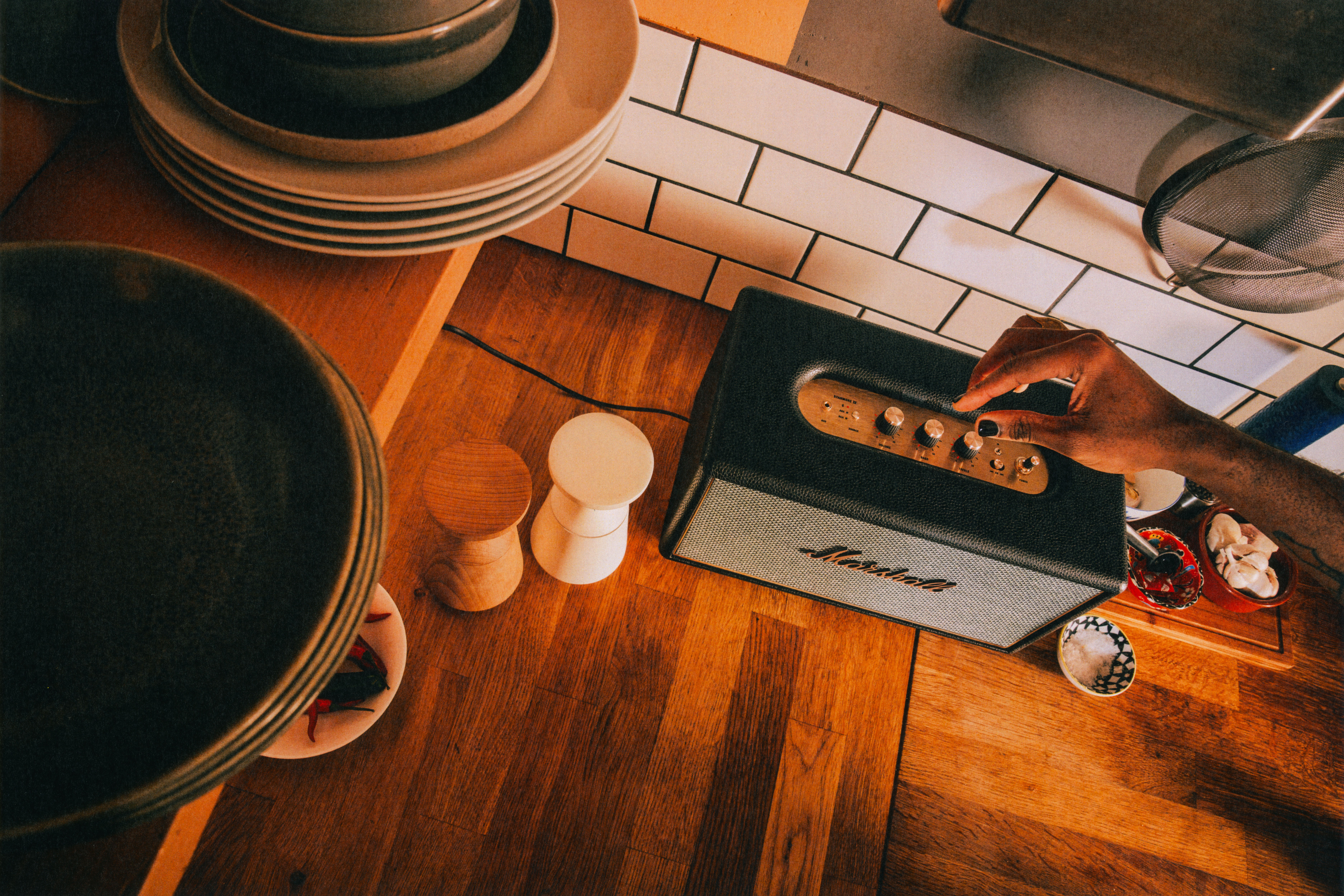
Good Sound Isn't Always About Getting Louder
When choosing a home speaker, it is easy to focus on how powerful it can get. But in everyday life, there are plenty of moments when turning up the volume simply isn't an option.
Late-night listening is one example. Once the rest of the home has gone quiet, you may want to enjoy some music or a podcast without disturbing anyone else. The same goes for early mornings, shared homes, or those quiet moments after the kids have finally fallen asleep.

This makes low-volume performance just as worth considering as maximum volume.
Ideally, turning the volume down should not mean losing the character of the music. Clarity, warmth and detail should still come through, allowing you to enjoy the listening experience without needing to fill the entire room with sound.
That is where technologies such as Dynamic Loudness can make a difference. In the latest generation of Acton IV and Stanmore IV home speakers, Dynamic Loudness is designed to maintain clarity, richness and warmth at lower listening levels, while improved limiters help keep the sound cleaner when the volume is turned up.
The idea is simple: sometimes, better sound is not about having more volume. It is about getting more out of the volume you are already using.
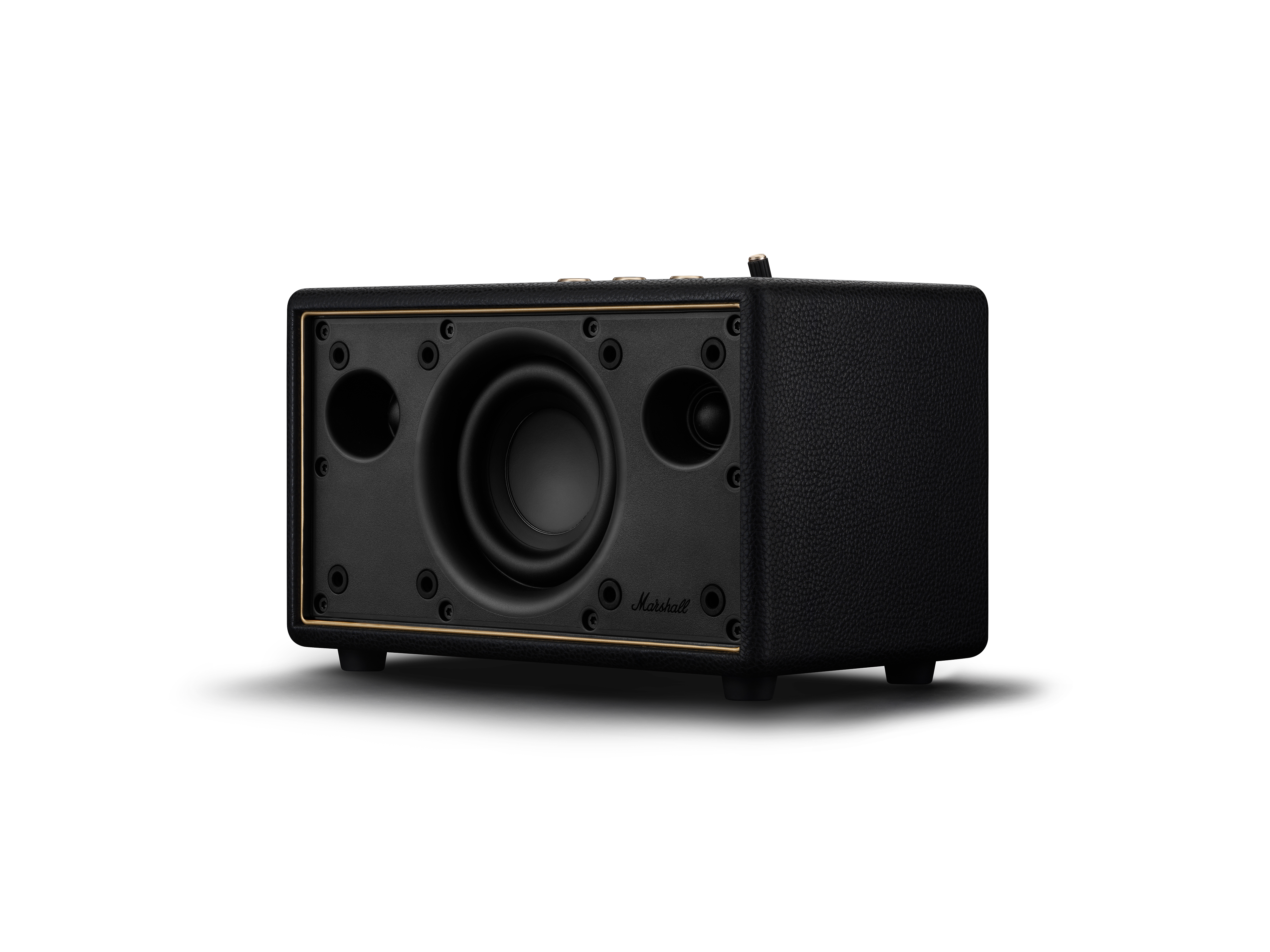
In a Small Room, Placement Matters
A smaller home also means that every part of the space matters.
Where a speaker sits can affect how sound travels through the room, which is why a good setup is not simply about finding a place to put the speaker and leaving it there.
The latest Acton IV and Stanmore IV feature upgraded tweeters and waveguides designed to create a wider and more evenly dispersed soundstage. Enhanced stereo separation also helps instruments feel more distinct, adding depth and a greater sense of space to the listening experience.
Their redesigned bass port is also intended to create cleaner, more powerful bass, while the placement of cables at the bottom of the speakers allows them to sit flush against a wall without affecting audio quality.
For smaller living spaces, these details can be especially practical. You may not have the luxury of dedicating an entire corner of your home to an elaborate audio setup, so equipment that can work naturally within the space can make a difference.
Your Room Is Part of the Listening Experience
There is also no one-size-fits-all listening environment.
A speaker placed beside a work desk will interact with the room differently from one positioned in a living room. A compact space can have a very different acoustic character from a larger, more open area.
That is why being able to adjust the sound to suit the room can be useful.
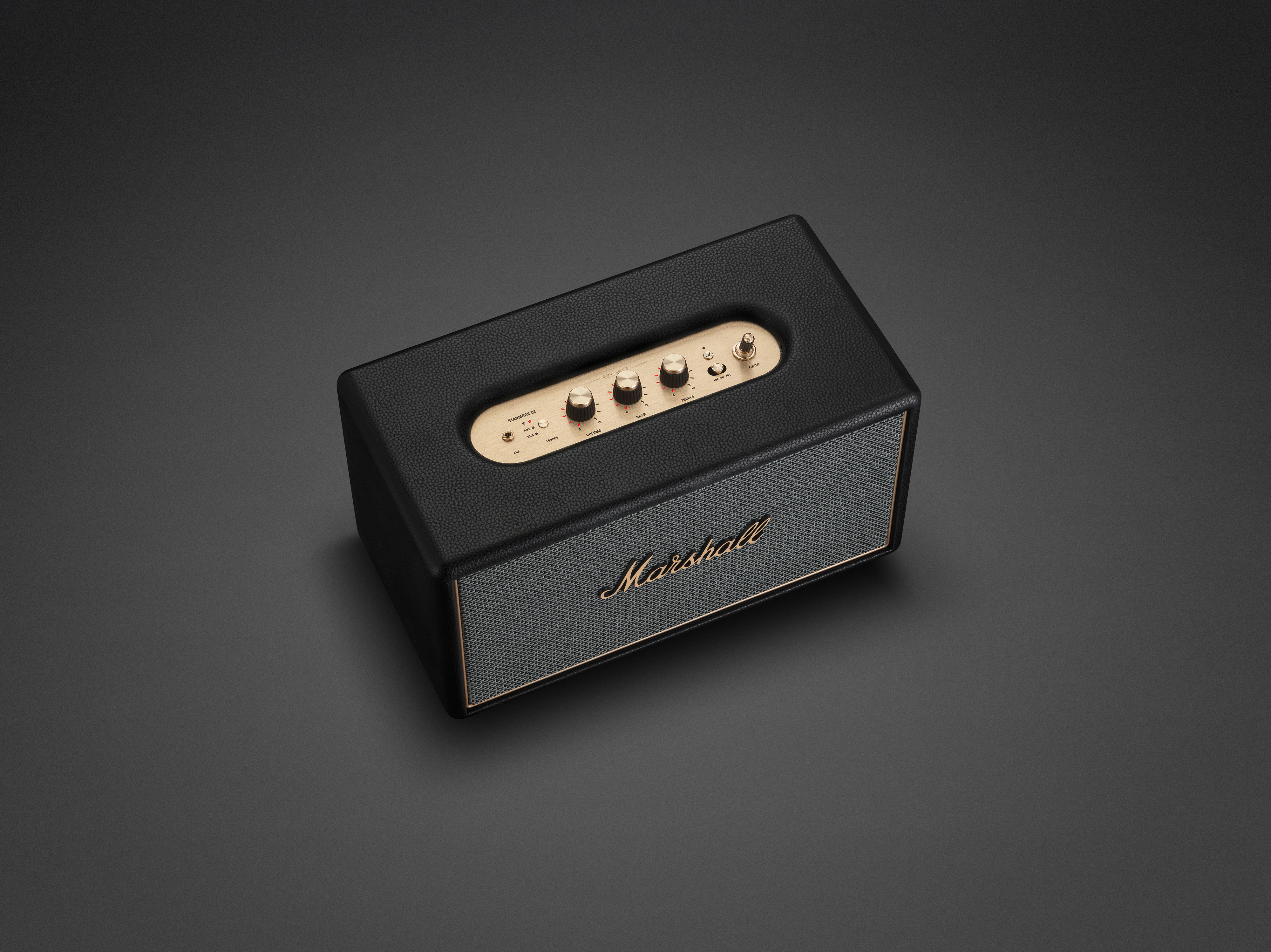
The dedicated Marshall app allows users to customise their sound, adjust EQ presets and use placement compensation to optimise audio based on where the speaker is positioned. Room calibration can also be used to help achieve a more suitable acoustic fit for the space.
Instead of expecting every room to sound the same, the approach puts more flexibility in the hands of the listener.
After all, your home does not have to look like a recording studio to have an enjoyable listening experience.
A Home Speaker Can Fit More Than One Routine
The way we listen to audio at home has also changed.
A speaker might start the morning with a playlist, become a companion during a work-from-home afternoon, switch to a podcast in the evening, and later become part of a quieter late-night listening session.

For those who still enjoy physical music collections, connectivity matters too. The latest speakers include RCA and AUX inputs, allowing users to connect devices such as a record player alongside wireless listening.
That flexibility means the same setup can adapt to different people, different rooms and different moments throughout the day.
Choosing Tech That Works With Your Space
These considerations are reflected in the latest generation of Marshall's home speakers, the Acton IV and Stanmore IV, which build on their existing design while introducing updated acoustic and usability features.
Both models retain the brand's analogue-inspired design and tactile controls, while adding features such as a customisable M-button for quick access to preferred EQ settings or Spotify Tap.
The Acton IV and Stanmore IV will be available in Black and Cream from 20 August 2026, priced at RM1,699 and RM2,399 respectively. They will initially be available through the Marshall Official Store on Shopee and selected retail partners, with Lazada availability following from 4 September and additional authorised retailers from 1 October.
But beyond the specifications, there is another consideration worth keeping in mind when choosing technology for the home: how long it is designed to stay with you.
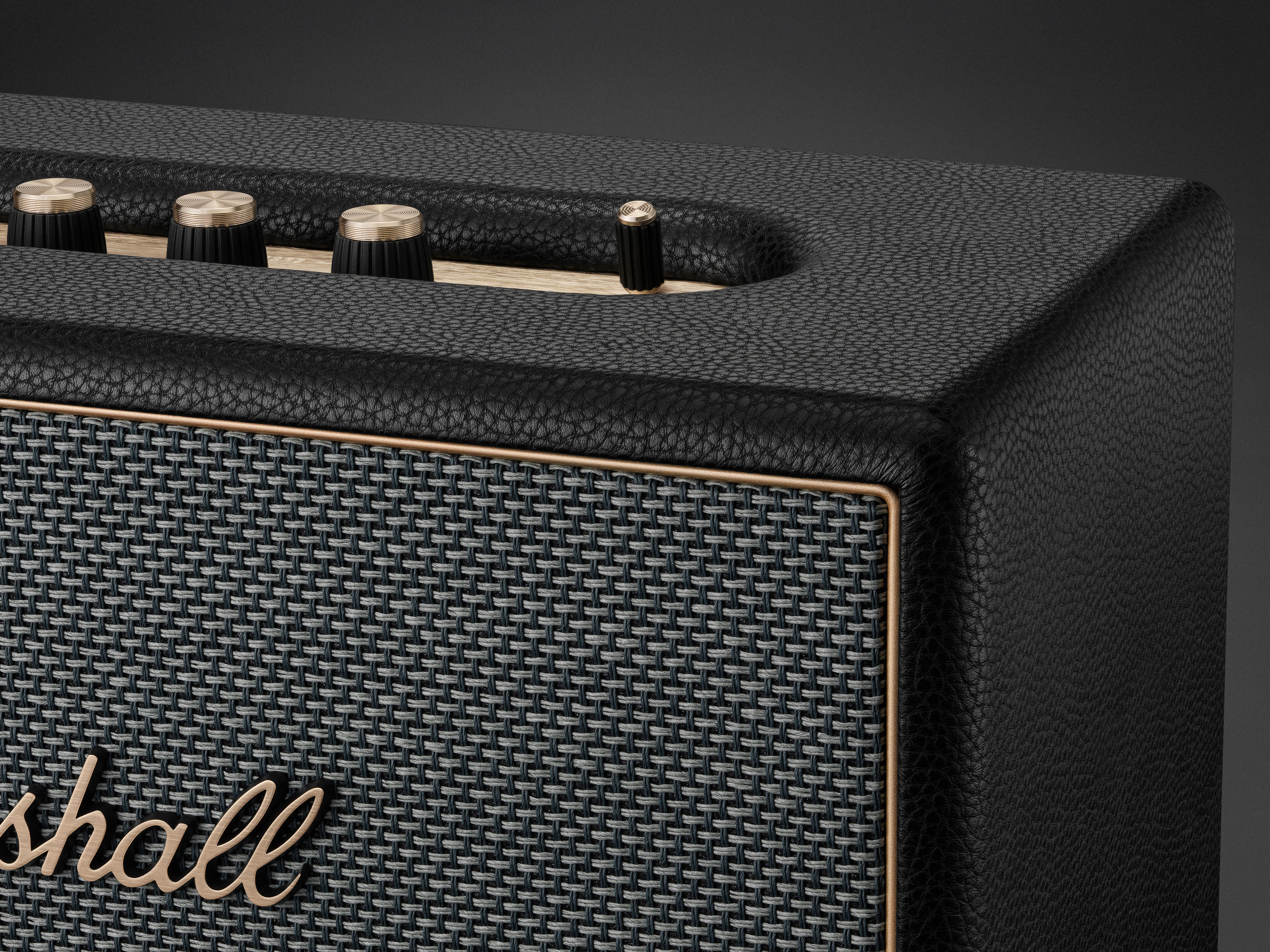
The speakers use FSC 100%-certified wood for their MDF cabinets, while Acton IV contains 13% recycled material by weight and Stanmore IV contains 16%. Both models also feature replaceable parts including the knobs, feet and grille.
Making the Most of the Home You Already Have
Creating a better home listening experience does not necessarily mean having a bigger room, turning up the volume, or building a complicated setup.
Sometimes, it comes down to smaller decisions: choosing equipment that performs well at different volume levels, placing it thoughtfully, adjusting it to suit the room, and finding something that fits naturally into the way you actually live.
Because whether it is a late-night playlist, a morning soundtrack, a workday podcast or a quiet moment after the kids are asleep, good sound should fit around your life, not the other way around.