When you think of the Mid-Autumn Festival, what comes to mind?
A glowing full moon.
A box of mooncakes.
Children carrying colorful lanterns.
Or perhaps the familiar story of Chang’e, the Moon Goddess.
Advertisement
Celebrated on the 15th day of the eighth month of the lunar calendar, the Mid-Autumn Festival has a history stretching back more than 2,000 years. What began with ancient rituals connected to the moon and the autumn harvest gradually evolved into one of the most important traditional Chinese festivals, a celebration associated with family reunion, gratitude and togetherness.
And behind the mooncakes and lanterns are stories that have been passed down for generations.
Why do we celebrate under the full moon?
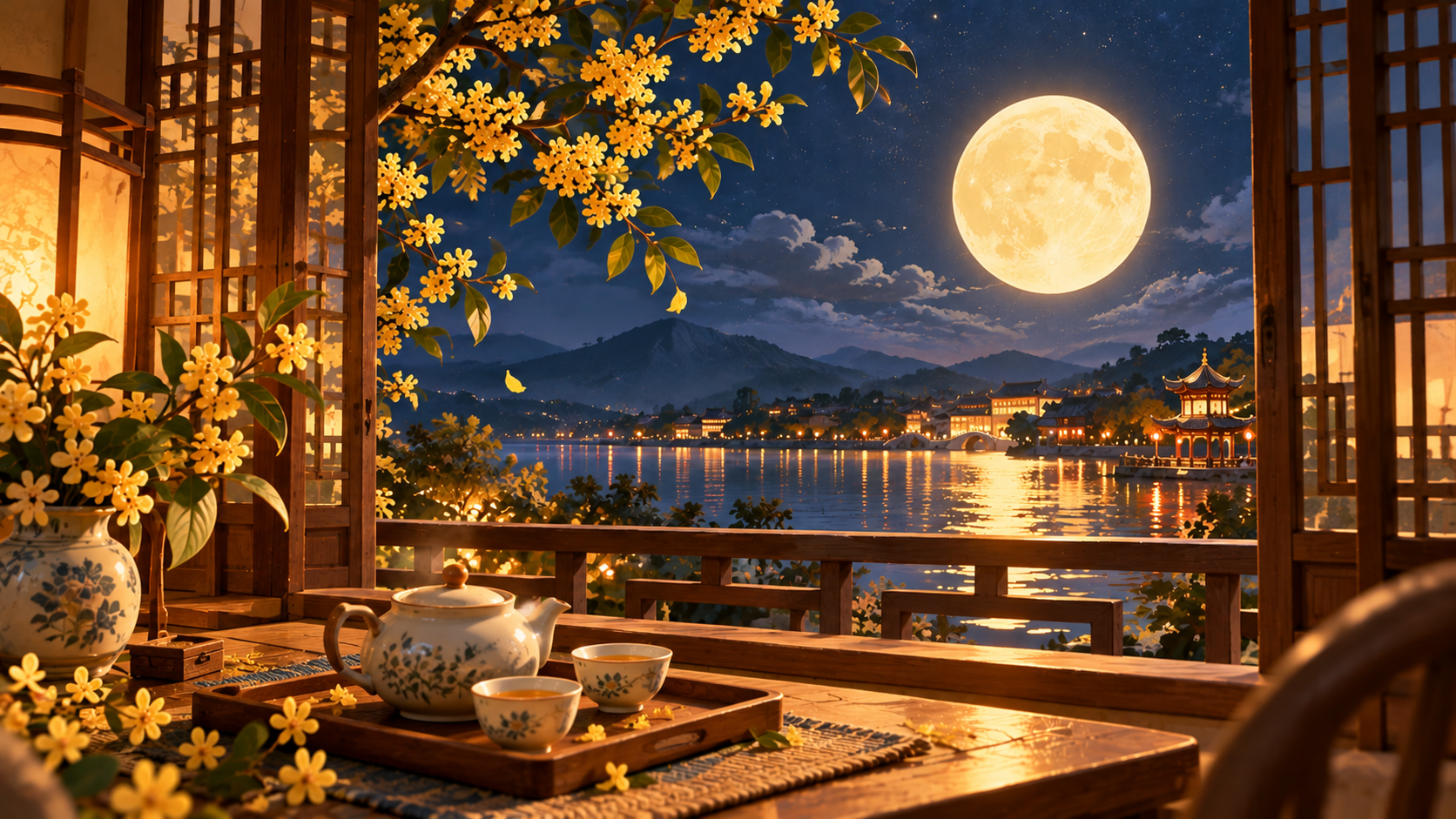
The full moon has long been at the heart of Mid-Autumn traditions.
In traditional Chinese culture, the round shape of the full moon came to represent completeness and reunion. Families would gather to admire the moon, share food and spend time together, including remembering loved ones who could not be there.
The festival was also closely connected to the autumn harvest. In agricultural societies, autumn was a time when crops and seasonal produce became abundant, making the occasion a natural time for people to give thanks and celebrate the harvest.
Over the centuries, moon appreciation became an important part of the festival, with the custom becoming particularly popular during the Tang Dynasty and developing further during the Song Dynasty.
Why do we eat mooncakes?
It would hardly feel like Mid-Autumn Festival without mooncakes.
Their most familiar meaning comes from their round shape, which resembles the full moon and represents reunion and completeness.
Traditionally, families would share mooncakes after making offerings to the moon. Today, mooncakes come in countless flavors and styles, but the idea of sharing one whole mooncake with family and friends continues to carry the symbolism of togetherness.
There is also a famous story connecting mooncakes to the overthrow of the Yuan Dynasty.
According to the popular legend, rebels used mooncakes to secretly pass messages calling for an uprising on the 15th day of the eighth lunar month. The story says that after the successful rebellion, mooncakes became closely associated with the festival.
While this tale has become an enduring part of Mid-Autumn folklore, historians do not treat every detail of the story as firmly established fact.
Why do children carry lanterns?
For many Malaysian Chinese families, Mid-Autumn Festival simply wouldn't be complete without lanterns.
Lanterns have been part of Chinese festival traditions for centuries, and today they are especially associated with family celebrations, children and community gatherings. Traditional lanterns can take many forms, from animals and flowers to elaborate handmade creations.
In Malaysia, lantern-carrying has also developed its own local character.
The tradition was brought by Chinese communities from southern China and became part of the cultural fabric of Malaysian Chinese communities. Children carrying lanterns through neighbourhoods, parks and community spaces remain one of the most recognisable sights of the season.
And that's something particularly special about celebrating Mid-Autumn Festival in Malaysia: traditions passed down from generations ago have continued to evolve in a distinctly Malaysian setting.
Why is pomelo part of the celebration?
Look beyond the mooncakes and you may also find pomelos on the Mid-Autumn table.
Pomelo is traditionally associated with the festival and is often included among foods offered to the moon. In some Chinese-speaking communities, the word for pomelo, “yòu” (柚), sounds similar to words associated with protection or blessings, giving the fruit an additional layer of auspicious meaning.
For many families, these foods are not simply things to eat, they carry wishes for health, prosperity and family wellbeing.
And who actually lives on the Moon?
This is where Mid-Autumn Festival gets even more magical.
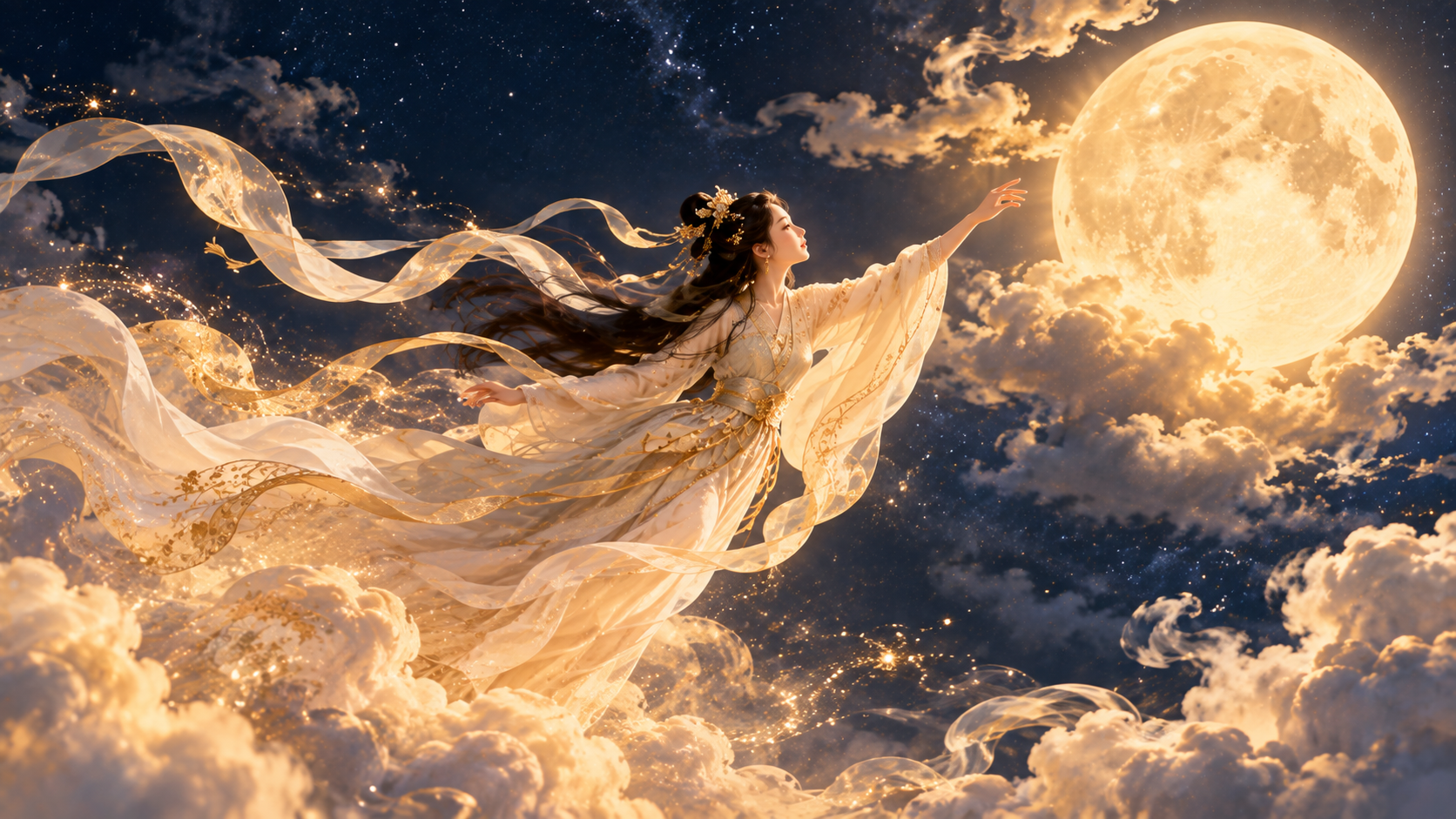
Chang’e, the woman who flew to the Moon
Perhaps the most famous legend is the story of Chang’e and Hou Yi.
According to one widely told version, ten suns once appeared in the sky, scorching the Earth. The legendary archer Hou Yi shot down nine of them, leaving one sun behind.
As a reward, he received an elixir of immortality. But rather than becoming immortal without his beloved wife, Chang’e, he kept the elixir.
When an apprentice attempted to steal it, Chang’e swallowed the potion and flew towards the heavens. She eventually made the Moon her home.
Heartbroken by their separation, Hou Yi placed her favorite fruits and cakes outside as offerings. Over time, people began to honor Chang’e by making offerings to the Moon as well.
There are several versions of the Chang’e legend, with different details and interpretations but her image has become inseparable from the cultural imagination surrounding Mid-Autumn Festival.
The Jade Rabbit
And Chang’e isn't alone.
According to another popular legend, a kind-hearted rabbit once sacrificed itself to feed three disguised immortals. Touched by the rabbit's selflessness, the immortals sent it to the Moon, where it became the Jade Rabbit.
The rabbit is often depicted pounding medicine with a mortar and pestle, making the elixir of immortality.
That's why you will often see cute rabbits appearing alongside the Moon and Chang’e on lanterns, decorations and mooncake packaging.
Wu Gang and the endless osmanthus tree
Then there's Wu Gang, another figure said to live on the Moon.
According to legend, Wu Gang was punished by the celestial emperor and ordered to chop down an enormous osmanthus tree. But the tree possessed a magical ability: every time Wu Gang struck it with his axe, the wound healed.
So his task could never be completed.
The legend is also one reason why the scent of osmanthus has become romantically associated with the Moon and Mid-Autumn imagery.
A tradition that travelled across generations
Today, Mid-Autumn Festival is celebrated in many parts of the world, but its meaning can look slightly different from place to place.
In Malaysia, the festival has taken on a distinctly local identity. Mooncakes, lanterns, moon-gazing and family gatherings remain central to the celebration, while temples, schools, neighbourhoods and shopping centres often organise lantern displays and cultural activities.
Tourism Malaysia also highlights lantern processions and mooncakes as key features of Malaysia's Mid-Autumn celebrations.
Perhaps that's what makes traditions so fascinating.
They travel.
They change.
They pick up new flavors, new customs and new memories. But somehow, the heart of the tradition remains.
So this Mid-Autumn Festival, when you look up at the Moon, take a bite of mooncake or watch children walking by with glowing lanterns, remember that you're also taking part in stories that have travelled across centuries and generations.
No matter how far apart we are, we can always look up at the same Moon.